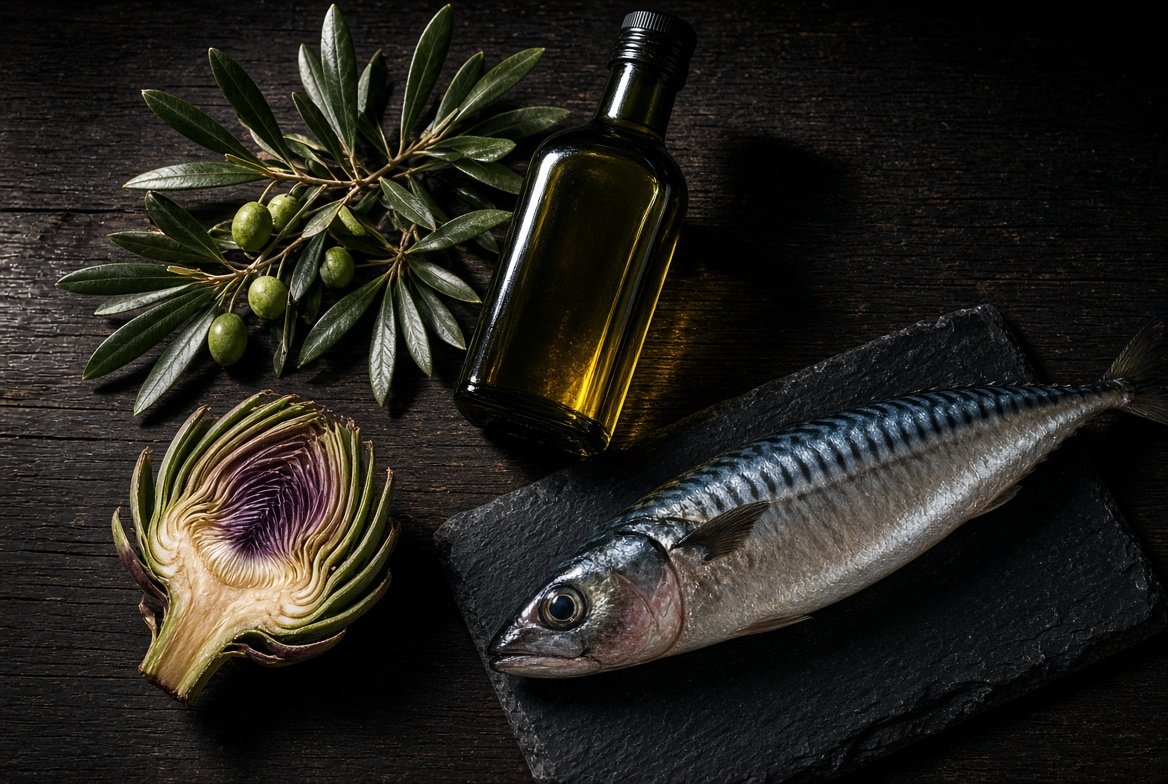
This article explains how immune function, iron and diet influence the course of chronic hepatitis B and C. It is not medical advice, and it is not a substitute for antiviral treatment. If you have been diagnosed with hepatitis B or C, see a hepatologist — treatment decisions belong with the doctor managing your case.
Introduction
Viral hepatitis B and C are among the most significant chronic liver diseases worldwide — and among the most poorly understood by the people living with them. Both are leading causes of cirrhosis, liver failure and hepatocellular carcinoma.
The single most powerful factor determining whether chronic hepatitis stays quiet or progresses to cirrhosis is immune function. A competent immune system holds the virus in check. A suppressed one lets it wake up — and the consequences are measured in decades of liver damage.
This article covers what the evidence says about protecting that immune function, and about the lifestyle factors that decide what your liver does next.
Key Takeaways
- Hepatitis C is now curable in more than 95% of patients with direct-acting antivirals — get treated
- Hepatitis B is controllable but not eradicable, because the virus writes a permanent reservoir into liver cell nuclei
- Immune suppression causes hepatitis B to reactivate — this is documented, guideline-level clinical fact
- Curing hepatitis C does not erase liver cancer risk if fibrosis is already established
- Iron overload accelerates liver injury, and iron reduction lowered liver cancer risk in chronic hepatitis C
- Avoiding hepatotoxins — alcohol, unnecessary drugs, processed food — is non-negotiable
1. Understanding Viral Hepatitis B and C
A. What These Viruses Are
Hepatitis B virus (HBV) and hepatitis C virus (HCV) are blood-borne pathogens that target liver cells. Both establish chronic infection in a significant share of those exposed.
B. The Silent Progression
The danger lies in how quietly it happens. Patients often feel normal for years — decades — while liver tissue is being replaced by scar. The blood markers that tell the real story:
- Elevated transaminases (ALT/AST) — ongoing liver cell damage
- Elevated ferritin — inflammation and iron loading
- Falling platelet count — progressive fibrosis and portal hypertension
- Falling white cell count — impaired immune capacity
C. Symptoms of Advanced Disease
- Chronic fatigue
- Reduced physical capacity
- General weakness
- Inability to sustain strenuous work
These are not laziness. They reflect genuine compromise of the body’s metabolic engine.
2. Can the Virus Be Eradicated?
The honest answer differs between the two viruses — and the difference matters more than anything else on this page.
Hepatitis C: Yes. It Is Curable.
Direct-acting antivirals cure hepatitis C. Cure rates exceed 95%, and in large real-world cohorts on sofosbuvir/velpatasvir reach close to 99%, in eight to twelve weeks of oral treatment [1].
If you have hepatitis C, treatment is the priority. Nothing in this article replaces it. No diet, herb or lifestyle change achieves what these drugs achieve.
Hepatitis B: No — and This Is Where the Philosophy Holds
Hepatitis B is different. The virus deposits a stable circular copy of its genome — cccDNA — inside the nucleus of infected liver cells. Antivirals suppress replication; they do not clear that reservoir. It is described in the literature as the key obstacle to curing chronic hepatitis B [2]. Stop the drug and the virus returns — which is why professional guidance treats hepatitis B as a long-term, often lifelong, management problem rather than a course of treatment [17].
For hepatitis B, the old principle is exactly right: the virus is suppressed, not killed — and what suppresses it is your immune system.
And After a Hepatitis C Cure, Lifestyle Still Decides
Clearing the virus does not undo the scarring it left. In patients who already had advanced fibrosis, liver cancer risk after a sustained virological response is reduced but remains real, which is why surveillance continues after cure [3].
So the message survives for both diseases. Treat the virus — then protect the liver you just saved.
3. Why Immune Function Decides the Outcome
This is not a wellness slogan. It is a documented clinical phenomenon with its own guidelines.
When patients with hepatitis B are given immunosuppressive or immune-modifying drugs — chemotherapy, rituximab, steroids, biologics — the virus reactivates, sometimes causing liver failure and death. The risk is significant enough that professional societies publish dedicated guidance on screening and prophylaxis before such treatment begins [4][5].
Read that in reverse and the principle is plain: suppress immunity and the virus wakes up. Everything that protects immune competence is therefore working on the same axis as the antiviral.
4. What Weakens Immunity and Damages the Liver
A. Toxic Exposures
- Alcohol — the single most important thing to eliminate
- Heavy metals — lead, mercury, cadmium, arsenic
- Pesticide residues from conventionally grown produce
- Nitrosamines from processed meats
- Lipid peroxides from repeatedly heated frying oils
B. Processed Foods
- Fast food, sugary drinks, energy drinks
- Refined sugar and white flour products
- Industrial seed oils
- Commercial sauces, ketchup, ice cream
C. Medication: Care, Not Fear
The liver processes almost every drug you take, so nothing should be taken casually. Consult your doctor before any medication, including over-the-counter painkillers.
One correction worth making, because getting it backwards is dangerous: in chronic liver disease, paracetamol at reduced dose is the safer painkiller, and NSAIDs are the risky ones. Ibuprofen, diclofenac and aspirin raise the risk of gastrointestinal bleeding and kidney injury in cirrhosis. Paracetamol is hepatotoxic in overdose — never in excess, never with alcohol — but at doses agreed with your doctor it is the analgesic hepatologists prefer [6].
The mechanism is worth knowing, because it explains the boundary. A paracetamol overdose does its damage by exhausting the liver’s glutathione reserve — which is exactly why the antidote works by restoring it, and why a liver already depleted has less margin to spare.
Avoid casual self-medication. Do not avoid the safer drug and reach for the more dangerous one.
5. The Iron Problem: The Best-Evidenced Part of This Protocol
A. Why Iron Matters
The liver is the body’s iron store. Elevated ferritin is common in chronic viral hepatitis, and iron is a potent pro-oxidant. In a liver already under viral attack, excess iron drives oxidative stress, hepatocyte injury, fibrosis and cancer risk [7].
B. Iron Reduction Therapy — What Was Actually Measured
This is where the traditional advice is strongest, and it is not folklore.
In chronic hepatitis C patients, phlebotomy combined with a low-iron diet normalised 8-hydroxy-2′-deoxyguanosine — a direct marker of oxidative DNA damage in liver tissue [8]. In long-term follow-up, the same combination lowered the risk of developing hepatocellular carcinoma [9].
Blood removal plus dietary iron restriction, measured against liver cancer, in the disease this article is about.
Important: phlebotomy is a medical procedure requiring monitoring of ferritin and haemoglobin. Discuss it with your hepatologist. And a person with viral hepatitis cannot donate blood — the blood must be discarded.
On cupping (hijama): it may lower iron by the same mechanism as phlebotomy, but it has not been tested for this purpose, and it creates blood exposure. If iron reduction is indicated, ask for medical phlebotomy, which is measured and controlled.
C. Dietary Iron Restriction
- Limit red meat and organ meats — liver, heart and kidney are the densest iron sources
- Prefer fish and poultry over red meat — fish carries far less iron and brings selenium with it
- Do not take iron supplements unless a doctor has documented deficiency
- Tea with meals reduces iron absorption; vitamin C with meals increases it
One essential caveat. Restricting iron is not the same as restricting protein. In cirrhosis, protein requirements go up, not down — around 1.2–1.5 g/kg/day — because muscle loss is one of the strongest predictors of poor outcome [10]. Cut the iron-dense meats; keep the fish, legumes, eggs and dairy.
6. The Lifestyle Protocol
| Category | Guidance |
|---|---|
| Alcohol | Absolutely none |
| Home-cooked meals | The foundation |
| Olive oil | Primary fat source |
| Vegetables and fruit | Abundant, fresh, seasonal |
| Fish | Preferred protein |
| Legumes | Excellent plant protein |
| Whole grains | In moderation |
| Red meat and organ meats | Rarely — the iron load is the reason |
| Total protein | Adequate to high — never restricted in cirrhosis |
| Processed food, fast food, sugary drinks | Eliminate |
| Coffee | Permitted — associated with lower fibrosis progression |
Start now, not later. The pattern that ends badly is always the same: years of nothing, then cirrhosis or ascites, then a frantic search for herbs. Change the inputs while the liver can still recover, and get the antiviral treatment at the same time. These are not alternatives to each other.
7. Natural Compounds: What Is Actually Established
These deserve honest tiers rather than a single list.
Silymarin (milk thistle). The most studied of them, with real antioxidant and anti-inflammatory activity in the laboratory [11]. But the Cochrane review of milk thistle in alcoholic and hepatitis B or C liver disease found no convincing evidence of benefit on mortality or liver histology [12]. Reasonable to take; not a treatment, and not a substitute for one.
Oleanolic acid and oleuropein (olive leaf). Olive-leaf compounds have a broad documented pharmacology [18], and oleanolic acid specifically shows antiviral activity across several virus families in laboratory studies [13] and is an active research subject in liver disease [14]. All preclinical — no human trials in viral hepatitis.
Propolis. Genuine immunomodulatory activity is well reviewed [15]; hepatoprotective effects are shown in animal models.
Royal jelly. Documented biological activity including immune effects [16]; hepatoprotection demonstrated in animals, not in people.
Coffee is the outlier worth knowing: it is the one ordinary dietary item consistently associated with slower fibrosis progression in chronic liver disease.
8. The Warning About Herbal Mixtures — Take This Seriously
Do not buy unlabelled herbal mixtures.
- ❌ Anonymous blends — “propolis with honey” from an unverified seller
- ❌ Products with no ingredient list, no manufacturer, no batch number
- ✅ Pharmacy-grade, standardised extracts with documented content
The reason is not snobbery. Herbal and dietary supplements are a recognised cause of drug-induced liver injury, and unlabelled products cannot be assessed for what they contain. A pharmacy product carries a manufacturer who is legally accountable. An informal one carries nobody.
For a liver already fighting a virus, this is one of the easiest catastrophic mistakes to avoid.
9. Transmission and Prevention
How they spread: blood-to-blood contact (shared needles, unsterile medical or dental equipment, unscreened transfusion), sexual transmission, and mother to child at birth.
Prevention:
- Hepatitis B vaccination — highly effective, and there is no vaccine for hepatitis C
- Sterile medical, dental and tattoo equipment
- No sharing of razors, toothbrushes or needles
- Barrier protection
- Screening in pregnancy
Frequently Asked Questions
Can hepatitis C be cured?
Yes. Direct-acting antivirals cure more than 95% of patients in 8–12 weeks of oral treatment, with real-world cure rates approaching 99% [1]. If you have hepatitis C, treatment should be arranged now.
Can hepatitis B be cured?
Not currently. The virus maintains a stable reservoir (cccDNA) inside liver cell nuclei that antiviral drugs do not remove [2]. Treatment suppresses the virus and prevents progression, and must usually continue long term.
Why does immunity matter so much in hepatitis B?
Because immune suppression reactivates the virus. Patients given chemotherapy, rituximab, steroids or biologics can suffer hepatitis B reactivation severe enough to cause liver failure, which is why guidelines require screening and preventive antivirals before such treatment [4][5].
Should hepatitis patients avoid all meat?
Limit red meat and organ meats — they carry the heaviest iron load, and iron accelerates oxidative liver injury [7]. But do not cut protein overall. In cirrhosis, protein needs rise to about 1.2–1.5 g/kg/day [10]. Choose fish, legumes and eggs.
Does removing blood help the liver?
In chronic hepatitis C, phlebotomy with a low-iron diet normalised oxidative DNA damage in the liver [8] and lowered the risk of developing liver cancer in long-term follow-up [9]. It is a medical procedure requiring monitoring — ask your hepatologist, and note that a person with viral hepatitis cannot donate blood.
Is paracetamol safe with hepatitis?
At doses agreed with your doctor, paracetamol is the analgesic preferred in chronic liver disease; NSAIDs such as ibuprofen and diclofenac carry higher risk of bleeding and kidney injury [6]. Never exceed the agreed dose and never combine it with alcohol.
Does milk thistle work?
It has genuine antioxidant activity in the laboratory [11], but the Cochrane review found no convincing clinical benefit in hepatitis B or C [12]. It is not a treatment.
Am I safe once hepatitis C is cured?
Safer, not finished. If fibrosis was already advanced, liver cancer risk remains elevated after cure and surveillance continues [3]. This is exactly why lifestyle still matters after the virus is gone.
The Verdict
Viral hepatitis is serious, and it is not hopeless.
Treat the virus. Hepatitis C is curable — take the cure. Hepatitis B is suppressible — take the treatment and stay on it.
Then protect the liver you are saving. No alcohol. No unnecessary drugs. No unlabelled herbal mixtures. Limit the iron-dense meats, keep the protein, eat food you cooked yourself.
And understand why it works. For hepatitis B, immune competence is what keeps the virus asleep — that is not philosophy, it is the reason reactivation guidelines exist. For hepatitis C, the liver you cured still carries the scars, and those scars still carry risk.
You cannot keep the life that damaged your liver and expect a tablet to undo it. But you also cannot substitute a good diet for a cure that exists. Do both.
This article is part of our complete guide to Chronic Disease Prevention — the conditions that develop quietly over years, and what actually changes their course.
Scientific Sources and References
Every source below was checked against PubMed and the CrossRef DOI registry. Each link resolves to the paper cited.
- European Association for the Study of the Liver (2017). “EASL Recommendations on Treatment of Hepatitis C 2016.” Journal of Hepatology, 66(1), 153–194. doi:10.1016/j.jhep.2016.09.001
- Nassal, M. (2015). “HBV cccDNA: viral persistence reservoir and key obstacle for a cure of chronic hepatitis B.” Gut, 64(12), 1972–1984. doi:10.1136/gutjnl-2015-309809
- Sohn, W., & Paik, Y. H. (2016). “Nonzero risk of hepatocellular carcinoma even after sustained virological response.” Gut and Liver, 10(5), 661–662. doi:10.5009/gnl16340
- American Gastroenterological Association (2025). “AGA Clinical Practice Guideline on the prevention and treatment of hepatitis B virus reactivation in at-risk individuals.” Gastroenterology, 168(2), 267–284. doi:10.1053/j.gastro.2024.11.008
- Loomba, R., & Liang, T. J. (2017). “Hepatitis B reactivation associated with immune suppressive and biological modifier therapies: current concepts, management strategies, and future directions.” Gastroenterology, 152(6), 1297–1309. PubMed 28219691
- Dwyer, J. P., Jayasekera, C., & Nicoll, A. (2018). “Risk of nonsteroidal anti-inflammatory drugs and safety of acetaminophen in patients with advanced liver disease.” Clinical Liver Disease, 12(3), 85–88. doi:10.1002/cld.737
- Mehta, K. J., Farnaud, S. J., & Sharp, P. A. (2019). “The role of iron in hepatic inflammation and hepatocellular carcinoma.” Free Radical Biology and Medicine, 133, 200–205. PubMed 30017991
- Kato, J., Kobune, M., Nakamura, T., et al. (2001). “Normalization of elevated hepatic 8-hydroxy-2′-deoxyguanosine levels in chronic hepatitis C patients by phlebotomy and low iron diet.” Cancer Research, 61(24), 8697–8702. PubMed 11751387
- Kato, J., Miyanishi, K., Kobune, M., et al. (2007). “Long-term phlebotomy with low-iron diet therapy lowers risk of development of hepatocellular carcinoma from chronic hepatitis C.” Journal of Gastroenterology, 42(10), 830–836. doi:10.1007/s00535-007-2095-z
- European Association for the Study of the Liver (2019). “EASL Clinical Practice Guidelines on nutrition in chronic liver disease.” Journal of Hepatology, 70(1), 172–193. doi:10.1016/j.jhep.2018.06.024
- Abenavoli, L., Capasso, R., Milic, N., & Capasso, F. (2010). “Milk thistle in liver diseases: past, present, future.” Phytotherapy Research, 24(10), 1423–1432. doi:10.1002/ptr.3207
- Rambaldi, A., Jacobs, B. P., & Gluud, C. (2007). “Milk thistle for alcoholic and/or hepatitis B or C virus liver diseases.” Cochrane Database of Systematic Reviews, (4), CD003620. PubMed 17943794
- Kazakova, O., Giniyatullina, G., Babkov, D., & Wimmer, Z. (2018). “Antiviral activities of oleanolic acid and its analogues.” Molecules, 23(9), 2300. doi:10.3390/molecules23092300
- Ayeleso, T. B., Matumba, M. G., & Mukwevho, E. (2024). “Therapeutic potential of oleanolic acid in liver diseases.” Naunyn-Schmiedeberg’s Archives of Pharmacology, 397(7), 4537–4554. PubMed 38294504
- Sforcin, J. M. (2007). “Propolis and the immune system: a review.” Journal of Ethnopharmacology, 113(1), 1–14. doi:10.1016/j.jep.2007.05.012
- Bagameri, L., Baci, G. M., & Dezmirean, D. S. (2024). “Royal jelly: biological action and health benefits.” International Journal of Molecular Sciences, 25(11), 6023. doi:10.3390/ijms25116023
- Terrault, N. A., Lok, A. S. F., McMahon, B. J., et al. (2018). “Update on prevention, diagnosis, and treatment of chronic hepatitis B: AASLD 2018 hepatitis B guidance.” Hepatology, 67(4), 1560–1599. doi:10.1002/hep.29800
- Omar, S. H. (2010). “Oleuropein in olive and its pharmacological effects.” Scientia Pharmaceutica, 78(2), 133–154. doi:10.3797/scipharm.0912-18